
Best Rods for Tiger Fish Fishing in Zimbabwe — 2026 Guide
From the Zambezi to Lake Kariba — gear built for Africa's hardest fighting freshwater predator
Wild by Nature. Africa by Choice.
Tiger fish are not forgiving. They hit hard, run fast, and will destroy cheap gear without a second thought. If you are heading to the Zambezi, Lake Kariba, or any of Zimbabwe's legendary river systems, arriving with the wrong rod is not an option.
This guide breaks down the best rods for tiger fish fishing in Zimbabwe and Southern Africa — gear that has been tested against one of the most aggressive freshwater predators on the planet.
Q: What are the best rods for tiger fish fishing in Zimbabwe?
A: The best rods for tiger fish fishing in Zimbabwe are the Ugly Stik Tiger Elite Casting Rod for its purpose-built composite blank and shock-absorbing clear tip construction, the St. Croix Triumph Spinning Rod for premium SCII graphite sensitivity on serious Zambezi expeditions, and the Penn Battle IV Spinning Combo for first-time tiger fish anglers wanting a matched rod and reel setup. All three are rated medium heavy to heavy action — the minimum specification for a fish that hits hard, runs fast, and will expose every weakness in underspec'd gear within the first thirty seconds of a fight.
Why Tiger Fish Demand Specialist Gear
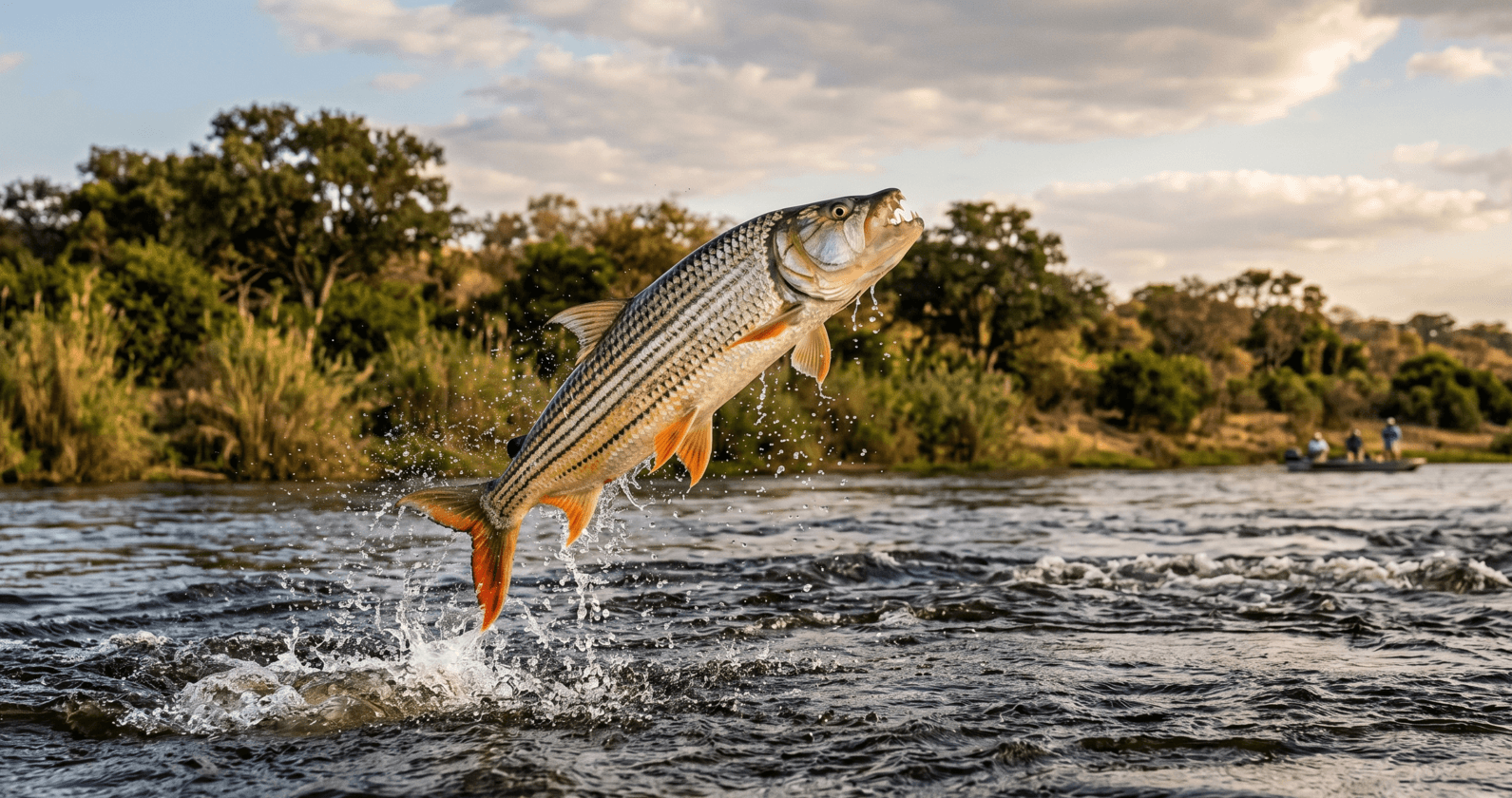
The tigerfish (Hydrocynus vittatus) is Southern Africa's most prized freshwater game fish — and for good reason. A hard-fighting 8kg tiger on a fast-flowing stretch of the Zambezi will test every component of your setup from tip to reel seat.
Understanding why the tigerfish demands specialist gear starts with understanding what the fish actually does when hooked. Unlike the sustained, grinding runs of a large carp or the deep diving pressure of a Nile perch, the tiger fish fights in explosive, unpredictable sequences. The initial hookup triggers an immediate burst run — typically downstream and fast — followed by violent lateral headshakes designed to throw the lure. These headshakes are the rod-breaker. A blank without sufficient shock absorption will crack or transfer the vibration directly to the hook hold, tearing the treble free. A blank that is too stiff will not absorb the shake at all — it will simply transmit the full force to your line and your knot.
The tigerfish's bony, hard mouth compounds this problem. Unlike soft-mouthed species where the hook sets easily and holds through a fight, a tiger fish jaw requires a firm, decisive strike to penetrate — and once set, the hook is fighting against bone, not flesh. Any slack in the line during a headshake gives the fish the fraction of a second it needs to lever the hook out.
Here is what the fish demands from your rod:
Power — tiger fish run hard and fast. A rod without sufficient backbone will cost you fish at the net.
Sensitivity — strikes can be subtle before they explode. You need to feel the take the moment it happens.
Durability — Zambezi conditions are not gentle. Heat, humidity, sand and hard use are part of every expedition.
A medium-heavy to heavy action rod in the 6 to 7 foot range is the starting point for serious tiger fish fishing. Anything lighter and you are gambling with every hookup.
The Best Rods for Tiger Fish — Our Top Picks
Ugly Stik Tiger Elite Casting Rod — Best Overall for Tiger Fish
The name alone tells you everything. Shakespeare built the Ugly Stik Tiger Elite specifically with hard-fighting species in mind — and tiger fish sit at the top of that list.
The Tiger Elite features the legendary Ugly Stik clear tip construction that has been trusted by serious anglers for decades. It absorbs the violent headshakes that tiger fish are notorious for, reducing break-offs at the critical moment between hookup and landing.
The rod blank combines graphite and fibreglass — giving you the sensitivity to detect strikes while maintaining the toughness to handle repeated punishment in the field. The stainless steel guides with double anti-fray rings handle braid effortlessly, which is the preferred line choice for most serious tiger fish anglers.
Specifications:
Action: Medium Heavy to Heavy
Material: Graphite and Fibreglass composite
Guides: Stainless steel with double anti-fray rings
Best for: Casting lures and live bait on large river systems
Why it works for tiger fish: The composite blank absorbs shock without sacrificing sensitivity — exactly what you need when a 10kg tiger turns and runs downstream at full speed.
👉 Check the Ugly Stik Tiger Elite on Amazon
St. Croix Triumph Spinning Rod — Best Premium Option
If budget is not your primary concern, the St. Croix Triumph is the rod serious anglers reach for when they want no excuses in the field.
St. Croix has built its reputation on premium American-made blanks and the Triumph lives up to that name. The SCII graphite construction delivers exceptional sensitivity — you will feel every structure change, every follow, and every hesitation before the strike.
The Triumph's Kigan Master Hand 3D guides are significantly lighter than standard guides, reducing blank stress during long casting sessions and hard-fought battles. For a week-long tiger fish expedition on the Zambezi where you are casting hundreds of times a day, that weight reduction matters more than most anglers realise.
Specifications:
Action: Ultra Light to Medium Heavy options available
Material: SCII graphite
Guides: Kigan Master Hand 3D
Best for: Anglers who want premium performance and are willing to invest accordingly
Why it works for tiger fish: The sensitivity of the SCII blank means you detect strikes earlier — and with tiger fish, a faster reaction time means more fish in the net.
👉 Check the St. Croix Triumph on Amazon
Penn Battle IV Spinning Combo — Best Complete Setup for Beginners
For anglers heading to Zimbabwe on their first tiger fish expedition, the Penn Battle IV combo removes the guesswork from matching rod and reel. Penn has paired a capable medium-heavy rod with their proven Battle IV reel — a combination that covers everything from 2kg tiger fish on smaller river systems to serious fish on the main Zambezi channel.
The Penn Battle IV reel features full metal body construction with a HT-100 carbon fibre drag system — the kind of drag performance you need when a tiger fish decides to empty your spool in the first five seconds of a fight.
The rod blank is built for saltwater durability which translates directly to the harsh conditions of Zimbabwean river fishing — heat, grit, and the kind of abuse that comes with daily hard use in the African bush.
Specifications:
Reel: Penn Battle IV — full metal body, HT-100 carbon drag
Action: Medium Heavy
Best for: First-time tiger fish anglers wanting a reliable all-in-one setup
Drag capacity: Sufficient for fish up to 15kg with correct drag settings
Why it works for tiger fish: The HT-100 drag system is the real selling point — smooth, consistent pressure throughout a long fight is what separates landed fish from lost ones.
👉 Check the Penn Battle IV Combo on Amazon
Tiger Fish Rod Buying Guide — What to Look For
Before you invest in any rod for a Southern African tiger fish expedition, run through this checklist:
Action and power rating — Medium heavy is the minimum. Heavy action rods give you more control over large fish but sacrifice some sensitivity on lighter takes. For the Zambezi's fast, deep channels where large fish are the primary target, lean toward heavy. For shallower flood plain fishing at Mana Pools where smaller fish are more aggressively active, medium heavy gives you the sensitivity to detect takes in fast-moving shallow water.
Blank material — Graphite offers sensitivity, fibreglass offers durability. A composite of both is the ideal compromise for tiger fish conditions. Pure graphite blanks are vulnerable to the lateral stress of repeated violent headshakes — a composite blank absorbs that stress without sacrificing the tip sensitivity that detects the initial take.
Guide quality — Tiger fish anglers predominantly use braid. Cheap guides will groove and fray your line within a single session. Stainless steel or titanium guides are non-negotiable. The Zambezi's sandy conditions accelerate guide wear dramatically — grit works into every ring gap and acts as an abrasive on every cast. Check your guides daily on a multi-day expedition.
Length — 6 to 7 foot is the sweet spot for most Zimbabwe river fishing. Longer rods give you casting distance on wide open water. Shorter rods give you more control in tight riverine cover.
Handle material — EVA foam handles outperform cork in hot, wet African conditions. Cork looks premium but absorbs water, swells and degrades faster in the heat.
Line selection — Braid is the correct choice for serious tiger fish fishing. The zero stretch characteristic of braid transmits the hookset force directly to the fish rather than absorbing it in line memory — critical when driving a hook into a bony tiger fish jaw. Use a minimum of 30lb braid with a 40 to 60lb fluorocarbon leader. The fluorocarbon leader provides abrasion resistance against the tiger fish's razor teeth and the rocky Zambezi substrate without the high visibility of monofilament in clear water.
Wire trace — for larger fish above 6kg on the main Zambezi channel a short 15 to 20cm single strand wire trace between the fluorocarbon leader and the lure eliminates cut-offs from the tiger fish's serrated teeth. Wire traces reduce lure action slightly but the trade-off against losing a trophy fish to a clean bite-off is straightforward.
Lure selection — Rapala-style minnow lures in the 9 to 14cm range are the most consistently productive surface and sub-surface options for Zambezi tiger fish. Silver and gold finishes that reflect in the Zambezi's tannin-stained water outperform natural colour patterns in most conditions. Spoons in the 20 to 40g range cover deeper channel water and allow longer casts across wide open sections of the river where minnow lures cannot reach the productive zones.
Where to Use These Rods in Zimbabwe
The Zambezi River — Zimbabwe's Flagship Tiger Fish Destination
The Zambezi between Chirundu and Mana Pools is the definitive tiger fish environment in Southern Africa. The river runs fast, clear, and cold through this section — oxygenated, well-structured water that produces the largest and most aggressive fish on the continent. Peak season runs from August through November when low water concentrates fish in the main channel pools and the dropping temperatures trigger feeding aggression that makes this one of the most productive freshwater fishing windows anywhere in Africa.
Boat fishing dominates the Zambezi's main channel — the width, depth, and current speed of the river between the major pools makes bank fishing productive only at specific structural features like channel edges, submerged rocky outcrops, and tributary mouths. A 7-foot rod with a quality spinning reel loaded with 30lb braid gives you the casting range to cover the productive water on the far bank and the mid-channel structures that hold fish through the hottest parts of the day.
The connection between the Zambezi's wildlife and its fishing environment is one of the most distinctive aspects of the Zimbabwe tiger fish experience. Hippo pods share the same pools as the fish you are targeting. Crocodile watch from the banks. Elephant drink from the shallows upstream. Our Victoria Falls Safari Elephant Camp covers the wider Zambezi ecosystem experience from the lodge perspective — the same river system that produces world-class tiger fish also delivers one of Africa's most complete safari environments on its banks.
Lake Kariba — The World's Largest Man-Made Lake
Lake Kariba by volume is the world's largest man-made lake and its tiger fish population is one of the most accessible in Zimbabwe for both boat and bank anglers. The lake's structure — submerged trees, rocky points, channel edges, and the Zambezi River arm in the east — provides year-round holding water for fish across a wide size range.
Kariba's tiger fish are well-fed and hard-fighting. The lake's size means fish populations are distributed across a large area, which makes local knowledge and a quality sonar unit more important here than on the comparatively focused channel fishing of the upper Zambezi. The productive water is specific — rocky points and submerged timber edges hold fish consistently, while open water between structures is largely unproductive.
Bank fishing at Kariba is viable in a way that the main Zambezi channel is not. Specific bank locations — particularly the rocky shorelines of the Matusadona National Park on the southern shore — produce fish for bank anglers who understand the tidal patterns created by the dam's inflow and outflow cycles.
The Mana Pools Flood Plains — Zimbabwe's Most Spectacular Tiger Fish Experience
Mana Pools is where tiger fish fishing becomes something entirely different. When the Zambezi floods its banks between January and April, tiger fish follow the water onto the shallow flood plains — pushing into grass and reed edges in pursuit of prey species that have moved into the newly flooded terrestrial habitat. The fish become highly visible, aggressively active, and accessible to wading anglers in water that is sometimes no more than knee-deep.
This is sight fishing for tiger fish — spotting a fish, casting ahead of its movement, and triggering a strike in clear shallow water where you watch the entire sequence from first sight to hookup. It is one of the most visually exciting forms of freshwater fishing available anywhere in Africa and it requires a different tactical approach from the deep channel fishing of the dry season.
In flood plain conditions a 6-foot medium-heavy rod with light braid and a surface minnow lure is the correct setup — the shallow water and the fish's feeding position near the surface makes heavy gear unnecessary and a lighter presentation more natural. The visual element of flood plain tiger fishing also means polarised sunglasses are as important as your rod selection — cutting the surface glare on the flood plain is what separates a productive session from a frustrating one.
The Mana Pools environment adds a wildlife dimension to the flood plain fishing that makes it genuinely unique. Buffalo graze the plain edges. Lion move through the camp at night. Elephant wade the same shallows you are fishing. It is a complete African wilderness experience built around a rod in your hand.
For those who want to combine the Zambezi tiger fish experience with a broader Zimbabwe safari, the Fishing Spots Vaal Dam provides useful comparative intelligence on how freshwater fishing strategy differs between Zimbabwe's moving water systems and South Africa's still water dam fisheries — two fundamentally different tactical environments served by overlapping but distinct gear requirements.
Tiger Fish Fishing Intelligence for Zimbabwe
What is the best time of year to fish for tiger fish in Zimbabwe? The peak tiger fish season on the Zambezi runs from August through November. During this window the river is at its lowest annual level — concentrating fish in the main channel pools and drop-offs where water temperature, oxygen levels, and food availability align to produce maximum feeding aggression. Water temperatures between 22 and 26 degrees Celsius during this period trigger the most active surface and sub-surface feeding behaviour. The flood plain fishing at Mana Pools runs from January through April when the Zambezi overflows its banks and tiger fish follow prey species onto the shallow plains — a completely different but equally rewarding seasonal experience.
What pound line should you use for tiger fish on the Zambezi? The standard setup for serious Zambezi tiger fish fishing is 30lb braid mainline with a 40 to 60lb fluorocarbon leader of approximately one metre. The braid's zero stretch transmits hookset force directly to the fish — essential for penetrating the tiger fish's bony jaw. The fluorocarbon leader provides abrasion resistance against teeth and rocky substrate without the high visibility of monofilament in clear water. For fish above 6kg on the main channel add a short 15 to 20cm single strand wire trace between the leader and the lure to prevent clean bite-offs from the tiger fish's serrated teeth.
Do you need a wire trace for tiger fish? For fish above 6kg on the main Zambezi channel a short wire trace is strongly recommended. The tigerfish's serrated teeth can cut through fluorocarbon leader material on a sustained fight — particularly when the fish rolls or shakes its head aggressively. A 15 to 20cm single strand wire trace rated at 20 to 30lb eliminates this risk without adding significant weight or reducing lure action on larger lures. For smaller fish in flood plain conditions where lure action is more critical to triggering strikes, some experienced anglers fish heavy fluorocarbon only and accept the occasional bite-off as the trade-off for a more natural presentation.
What lures work best for tiger fish in Zimbabwe? Rapala-style minnow lures in the 9 to 14cm range are the most consistently productive surface and sub-surface options across Zimbabwe's tiger fish environments. Silver and gold finishes that reflect in the Zambezi's tannin-stained water outperform natural colour patterns in most conditions. Spoons in the 20 to 40g range cover deeper channel water on the main Zambezi and Kariba and allow the casting distance needed to reach productive mid-channel structures from a boat. For flood plain sight fishing at Mana Pools surface poppers and shallow-running minnow lures in bright attractor colours produce the most visually dramatic strikes in clear shallow water.
Is tiger fish fishing in Zimbabwe safe? Zimbabwe's river systems present real wildlife considerations that freshwater anglers from outside Africa need to understand before their first expedition. Hippopotamus are responsible for more human fatalities in Africa than any other large mammal — they are territorial, fast, and unpredictable in the water. Never wade or position a boat between a hippo pod and deep water, never fish near hippo during early morning and evening when they return from feeding on land, and always follow your guide's instructions on river positioning. Crocodile are present throughout the Zambezi and Kariba systems — wading in unfamiliar water without local guidance is not advisable. An experienced Zimbabwe fishing guide eliminates these variables and significantly improves your fishing success simultaneously.
Final Thoughts
Tiger fish fishing in Zimbabwe is a bucket-list experience for any serious freshwater angler. The fish are unforgiving and so is the environment — your gear needs to match both.
The Ugly Stik Tiger Elite is our top recommendation for most anglers heading to Zimbabwe for the first time. It combines purpose-built toughness with genuine sensitivity at a price point that leaves budget for the trip itself.
For anglers who want the best money can buy, the St. Croix Triumph delivers premium performance that will last a decade of hard use in African conditions.
First-time tiger fish anglers wanting a complete setup should look hard at the Penn Battle IV combo — the matched rod and reel combination removes all the guesswork and gets you fishing immediately.
Whichever rod you choose — tight lines on the Zambezi.
Krantz Outdoors is a specialist pan-African safari research publication. Our editorial team aggregates field intelligence from professional trackers, wildlife photographers, and conservation scientists to deliver technically verified safari briefings.
This article is compiled from operator specifications, verified field reports, and specialist photography research. Krantz Outdoors conducts independent editorial review of all promotional content.
Affiliate disclosure: This article contains affiliate links. Krantz Outdoors may earn a small commission at no additional cost to you. We only recommend experiences we genuinely believe in.
Wild by Nature. Africa by Choice.
📄 Read our Privacy Policy and Terms & Conditions